
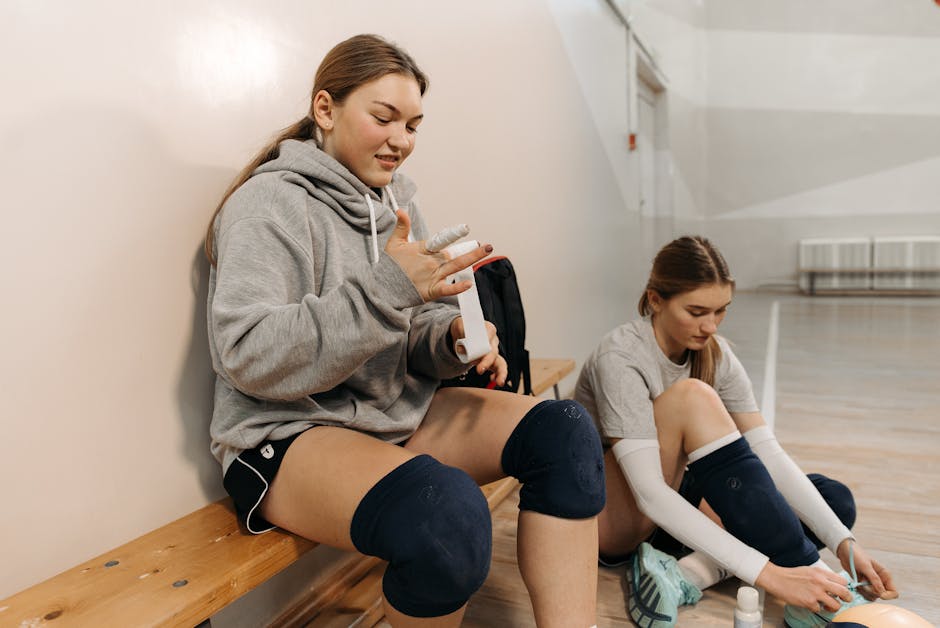
Participating in sports offers countless benefits, especially in an active community like Haverstraw, New York. With scenic parks, local leagues, and recreational centers encouraging a healthy, energetic lifestyle, both youth and adult athletes across our area frequently lace up their gear to enjoy football, soccer, basketball, and more. However, as excitement about sports continues to grow, so does concern about sports-related concussions—a serious type of brain injury that can impact athletes of all ages. The good news is that there are proven strategies to reduce the risk and keep Haverstraw’s athletes safer on the field, court, or rink.
Understanding Sports Concussions
A concussion is a mild traumatic brain injury caused by a bump, blow, or jolt to the head or body that causes the brain to move rapidly within the skull. This sudden movement can disrupt normal brain function and lead to symptoms such as headaches, dizziness, confusion, memory issues, and even changes in behavior.
In Haverstraw, where active recreation and competitive sports are key ways people connect and stay fit, knowledge about concussion prevention is vital for families, coaches, and athletes themselves.
Why Concussion Prevention Matters in Haverstraw
With popular local teams and events at spaces like Bowline Point Park and the Haverstraw Community Center, many families are involved in youth soccer, flag football, and other activities where accidental collisions or falls can occur. Preventing concussions is crucial to ensuring these events remain safe and enjoyable for everyone involved.
Early intervention and prevention strategies also decrease the chances of long-term complications. For parents in Haverstraw, knowing their children and teens are protected lets them fully enjoy the community’s vibrant sports scene.
Key Strategies for Preventing Sports Concussions
It's impossible to eliminate every risk, but these practical, research-based steps can dramatically reduce the likelihood of concussions in both youth and adult athletes:
1. Wear Properly Fitted Protective Gear
- Use sport-specific helmets and headgear that meet safety standards—from football helmets in Little League games at Haverstraw's local fields to padded headbands for soccer goalies.
- Make sure gear fits snugly and is worn correctly every time.
- Replace helmets as recommended by manufacturers, especially after any significant impact.
2. Focus on Technique and Safe Play
- Coaches in Haverstraw should emphasize proper tackling, heading, or body-checking techniques, depending on the sport.
- Avoid dangerous moves like leading with the head in football or reckless plays in basketball and hockey.
- Regularly review the rules of play to ensure safety and minimize high-risk actions.
3. Educate Athletes and Families
- Host workshops or pre-season meetings at local rec centers to discuss concussion risks, symptoms, and prevention.
- Encourage open discussion about injuries—athletes should always feel safe reporting symptoms, without fear of losing playing time or disappointing their team.
4. Build Neck and Core Strength
- Strong neck and core muscles help absorb the forces from sudden impacts, potentially reducing concussion risk.
- Incorporate specific exercises into training routines, such as planks, neck resistance exercises, and balance drills.
- Consider working with local Haverstraw trainers or physical therapists knowledgeable in sports safety.
5. Perform Regular Safety Checks on Fields and Facilities
- Inspect local sports fields, courts, and gymnasiums to make sure surfaces are level, free from hazards, and appropriately padded.
- Advocate for upgrades and repairs when needed—safer environments support every athlete’s well-being.
6. Foster a Culture of Safety
- Establish clear “return to play” policies at Haverstraw’s schools and leagues, requiring medical clearance after any suspected concussion.
- Celebrate and reward sportsmanship, safe play, and teamwork as much as athletic achievements.
- Support players who sit out with injuries, affirming that health comes first.
7. Use the Latest in Training and Monitoring Tools
- Many organizations now use impact monitors and sideline assessment tools to better detect and track possible concussion events.
- Stay up-to-date on best practices and emerging technology—what’s used by professional teams can soon become standard in community leagues.
Local Resources in Haverstraw for Concussion Prevention
Haverstraw’s proximity to major medical resources in Rockland County provides access to concussion specialists, sports medicine clinics, and community education workshops. The North Rockland Central School District and local athletic programs often collaborate with health professionals to support injury prevention and proper management.
Parents and coaches can connect with nearby healthcare providers not just for injury care, but to access baseline testing, guidance on protective equipment, and the latest advice tailored to the sports and age groups most active in our region.
What To Do If You Suspect a Concussion
Even with all precautions, concussions can still happen. If you see any signs of a possible head injury—such as confusion, difficulty remembering plays, balance issues, headaches, or changes in mood—remove the athlete from play immediately. Contact a healthcare provider familiar with concussion evaluation and follow a step-by-step return-to-play protocol.
Early recognition and rest are the keys to preventing further injury and promoting full recovery.
A Safer Sports Culture for Haverstraw
Concussion prevention is a team effort that depends on the vigilance and commitment of athletes, parents, coaches, and the entire Haverstraw community. With the right knowledge, equipment, and approach, our local athletes can keep enjoying the sports they love while staying safe and healthy for seasons to come.
Whether your family gathers at Emeline Park for soccer, hits the basketball courts at the community center, or cheers for school teams, prioritizing concussion prevention means more fun, more connection, and less worry—ensuring that everyone who calls Haverstraw home can play with confidence.
