
Living in Haverstraw, New York, you’re likely familiar with the active pulse of our Hudson River town—between work, family, and enjoying walks along the marina, our hands are always busy. For many, repetitive strains from daily activities, long hours at a desk, or even gardening along our riverside lots can lead to a condition many are curious about: carpal tunnel syndrome. If tingling, numbness, or pain in your hands and wrists are slowing you down, you’re certainly not alone in asking, “How can I relieve carpal tunnel syndrome naturally?” Here are practical, non-invasive strategies that can make a big difference for Haverstraw residents.
What Is Carpal Tunnel Syndrome?
Carpal tunnel syndrome (CTS) is a common condition that occurs when the median nerve, which runs from the forearm into the palm, becomes compressed at the wrist. This compression can cause pain, tingling, numbness, and weakness in the hand and fingers.
Common symptoms include:
- Numbness or tingling in the thumb, index, or middle fingers
- Weakness in the hand, making it hard to grasp objects
- Pain that may extend up the forearm
Why Is Carpal Tunnel Common in Haverstraw?
Haverstraw’s workforce includes many people who type, use handheld tools, or manage repetitive tasks—whether on construction projects, in our shops, or at local offices. Even beloved hobbies like knitting during winter evenings or using handheld devices to take family photos by the river can contribute to wrist overuse.
Natural Tips to Relieve Carpal Tunnel Syndrome
If you’re seeking ways to ease symptoms without surgery or medication, several natural remedies can help. Here’s what you need to know:
1. Modify Your Activities
One of the simplest ways to reduce carpal tunnel discomfort is to give your hands and wrists more breaks.
- Try using hands-free devices when talking on the phone or voice-to-text on walks by the Hudson.
- Switch up tasks at work or home to avoid long periods of the same motion.
- At your desk job or while writing, set a timer every 30 minutes to stretch and relax your hands.
2. Ice Therapy
Applying a cold pack to your wrist for 10-15 minutes a few times a day can help reduce inflammation and ease pain.
- Use a towel-wrapped ice pack right after returning home from work or before bed.
- Avoid direct contact with ice to prevent skin irritation.
3. Gentle Stretching and Strengthening
Regular, gentle stretching strengthens the wrist, reduces tension, and improves flexibility. Consider adding these exercises to your daily routine:
Wrist Flexor Stretch:
- Extend your arm with your palm facing up.
- Gently bend your wrist back using your other hand, holding for 15-30 seconds.
Nerve Gliding Exercise:
- Hold your arm out, palm up.
- Slowly make a fist, then slowly open your hand, spreading fingers wide.
- Repeat 5-10 times daily.
Haverstraw residents can do these exercises during a stroll at Bowline Point Park or while enjoying river views.
4. Mind Your Ergonomics
Improving hand and wrist ergonomics is crucial, whether you work from a home office or a downtown shop.
- Keep your wrist in a "neutral" position—not too bent up or down.
- Adjust your chair and keyboard height to keep forearms level, especially if you’re working from local cafes or your living room.
- Use supportive mouse pads, split keyboards, or wrist braces when needed.
5. Nighttime Wrist Support
Many people in Haverstraw notice worsening symptoms at night. This is because most of us bend our wrists while we sleep.
- Wearing a neutral-position wrist brace at night can alleviate symptoms and promote healing.
- You can find affordable wrist splints at local pharmacies or even make a homemade version with a soft fabric wrap.
6. Stay Active and Reduce Inflammation
General wellness can indirectly help manage carpal tunnel syndrome.
- Maintain a healthy weight—extra fluid retention can contribute to swelling in your wrists.
- Incorporate anti-inflammatory foods like leafy greens, berries, and omega-3-rich fish into your diet.
- Enjoy Haverstraw’s local farmer’s market for fresh, joint-friendly produce.
7. Consult With a Local Health Professional
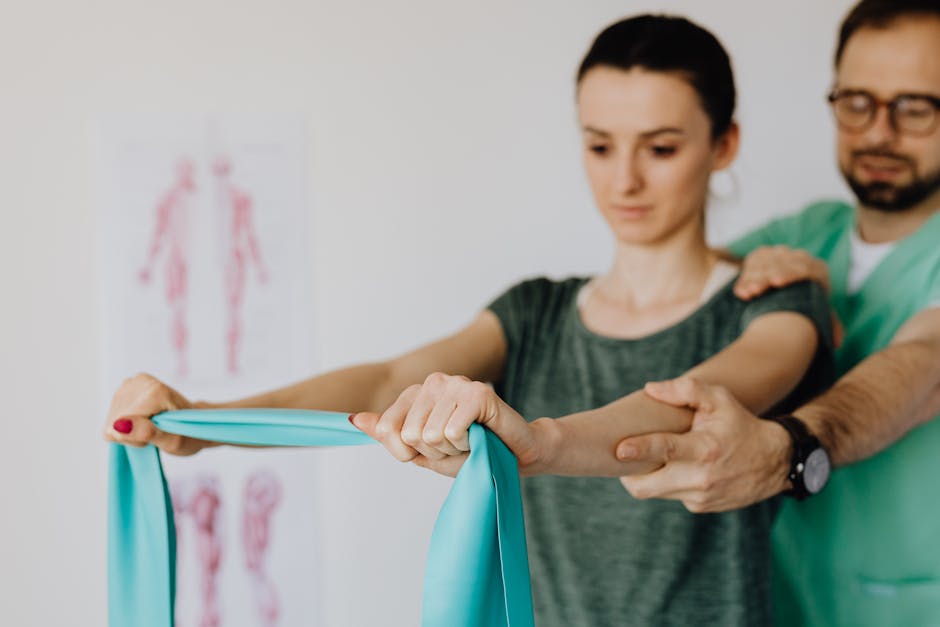
While these natural methods can offer significant relief, persistent or severe symptoms should be evaluated by a local chiropractor or healthcare provider in Haverstraw. Non-invasive chiropractic care, physical therapy, or occupational therapy often provide personalized plans for long-term relief.
- Chiropractic adjustments and soft tissue therapies target wrist alignment.
- Local professionals can recommend custom splints, adaptive equipment, and tailored exercises.
When to Seek Immediate Help
Natural remedies are best for mild to moderate symptoms. If you experience sudden weakness, loss of sensation, or persistent hand pain despite self-care, seek a medical evaluation to rule out more serious nerve issues.
Making Natural Relief a Hudson Valley Habit
Haverstraw’s blend of beautiful scenery and active lifestyles encourages us to keep our hands healthy for biking, boating, and enjoying the community. Integrating simple carpal tunnel prevention and relief steps into your day can keep discomfort at bay—so you can continue thriving in our vibrant Hudson Valley town.
If you have specific questions about how carpal tunnel syndrome applies to your lifestyle or need hands-on help, local Haverstraw professionals are here to support you on your path to natural relief.
